days remaining
The 343rd anniversary of the Battle of Vienna. Node runners will stand together. The charge begins at dawn.
Get your node running. Get your miner pointed at it. Be ready.
Run a Node. Nothing Matters More.
Running your own full node is the single most important thing a bitcoiner can do. Not buying. Not holding. Not posting. Running a node. It is the only way to use Bitcoin without trusting someone else to tell you the truth.
Protect the Network
Every node independently verifies every block and every transaction. Your node rejects invalid blocks no matter how much hashpower produced them. More nodes means no government, corporation, or mining cartel can change Bitcoin's rules.
Control Your Own Transactions
Broadcast transactions from your own node — no third party can censor them, spy on them, or lie to you about whether they confirmed. You verify your own money against the real chain, not someone else's copy of it.
True Self-Custody
Keys without a node is only half the job. Pair your wallet with your own node and your balance, your history, and your privacy never touch anyone else's server. Don't trust — verify.
The Siege of Bitcoin
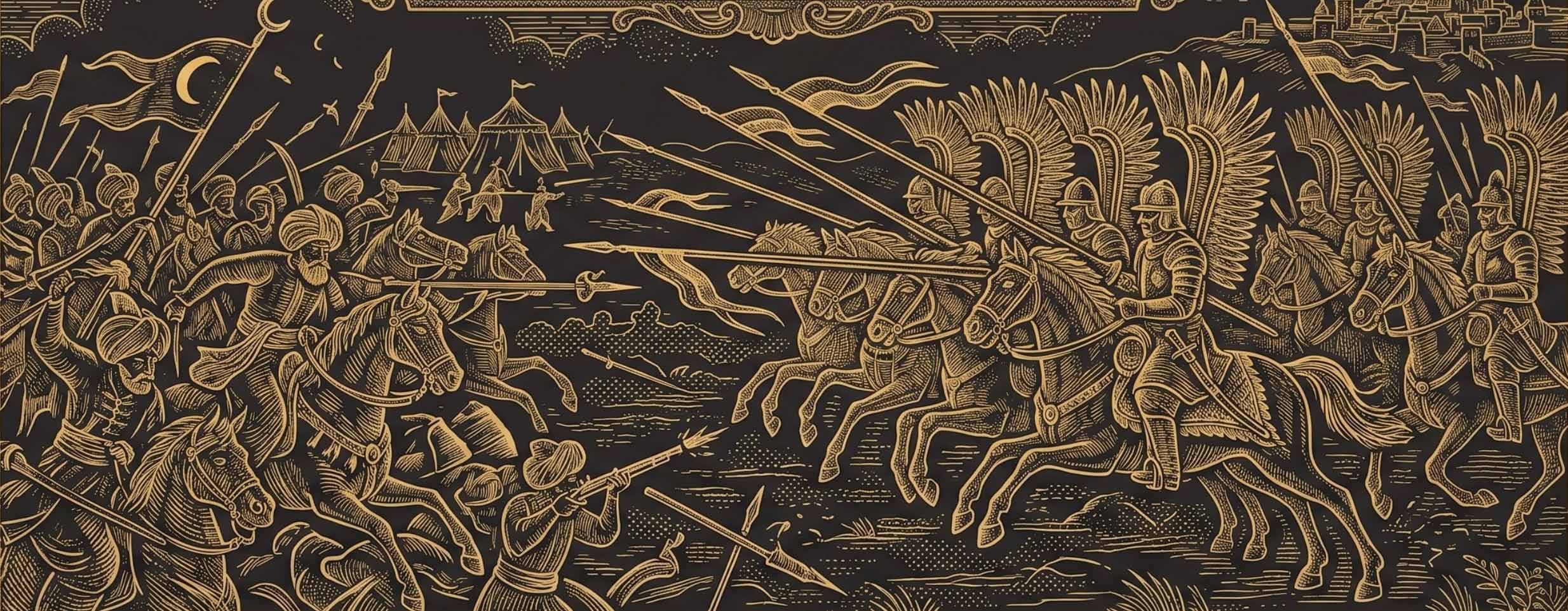
On September 12, 1683, the largest cavalry charge in history broke the Ottoman siege of Vienna. A coalition of defenders — outnumbered, under-resourced, but unwilling to surrender — rode down from the hills of Kahlenberg and shattered an empire's ambitions in a single afternoon.
On September 12, 2026 — 343 years later — Knotsday marks the moment node runners take back the network. Not with cavalry, but with code. Not with lances, but with full nodes. The date is a rallying point: get your node running, get your miner pointed at it, and be ready.
Today, Bitcoin faces its own siege. Large mining corporations control vast pools of hashpower. They decide which transactions get confirmed, which protocol rules get enforced, and which upgrades move forward. The individual node runner — the backbone of Bitcoin's decentralisation — is increasingly marginalised.
Running your own node is how you fight back.
Why Bitcoin Knots?
Bitcoin Knots is an enhanced Bitcoin client maintained by Luke Dashjr, one of Bitcoin's earliest developers. It enforces stricter consensus rules than Bitcoin Core, filtering spam transactions and inscriptions that bloat the blockchain and serve no monetary purpose.
| Feature | Bitcoin Core | Bitcoin Knots |
|---|---|---|
| Full validation | Yes | Yes |
| Spam filtering | No | Yes — filters OP_RETURN abuse, inscriptions |
| BIP110 support | No | Built-in — see the road ahead |
| Mempool policy | Permissive | Strict — rejects replace-by-fee abuse |
| RDTS upgrade | No | Supported |
| Block template | Standard | Cleaner blocks, signals protocol upgrades |
When you run a Knots node, you are not just passively verifying transactions. You are actively shaping the network's rules. Your node rejects blocks that violate your rules, regardless of how much hashpower created them. That is sovereignty.
The Road Ahead: BIP110 and a New Proof of Work
BIP110's mandatory enforcement began at block 961,632. With only a few percent of hashpower signalling, the BIP110 chain stalled after two blocks — the SHA-256 mining industry stayed with the permissive chain. The siege was not broken. The response now being prepared is more radical: a change of proof-of-work algorithm, so the honest chain no longer depends on the mining cartels at all.
No algorithm has been chosen yet. Candidates under discussion include RandomX, BLAKE3, Scrypt, and Autolykos v2, and one proposal would pick from a shortlist by deterministic random selection so that no miner gets advance warning. Until an algorithm is finalised and shipped in a release, nothing changes for you: run your Knots node, point your SHA-256 miner (Bitaxe or dedicated ASIC) at it, and hold the line. Do not buy hardware for an algorithm that has not been announced. This page will be updated the moment the new proof of work is finalised.
The Coalition
Just as the defense of Vienna required cooperation between Polish, Austrian, and German forces, defending Bitcoin requires node runners, solo miners, and developers working together. This guide covers:
Run a Node
Install Bitcoin Knots on Ubuntu with proper drive setup, configuration, and syncing.
Setup GuideSolo Mine (Bitaxe / ASIC)
Point a Bitaxe or dedicated ASIC at your own node. Mine blocks that enforce your rules.
Bitaxe GuideWhat You Will Need
- An Ubuntu system (22.04 LTS or later)
- A 2 TB drive (internal or external SSD recommended)
- Stable internet connection
- A Bitcoin wallet address to receive mining rewards
- Optional: A Bitaxe (BM1366, BM1368, BM1370, or BM1397) or other dedicated SHA-256 ASIC for solo mining
The initial blockchain sync takes several hours to a day depending on your hardware. Once synced, the node runs quietly in the background, validating every transaction and block.
The Stakes
In 1683, if Vienna fell, Central Europe would have been reshaped by conquest. The defenders knew this. They did not wait for someone else to act.
If you are reading this, you are the cavalry. Every node that enforces honest rules makes the network harder to capture. Every solo miner who builds blocks through their own node takes power away from centralised pools. It does not matter that your hashrate is small. What matters is that your blocks are clean.